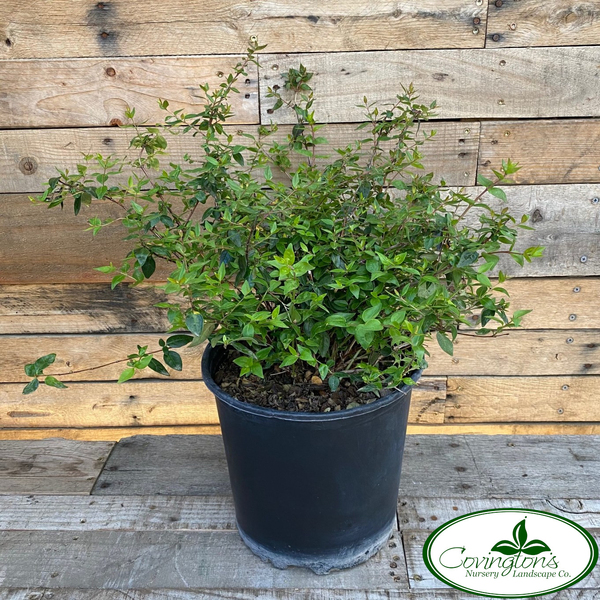
A showy evergreen shrub that has lavender-pink to purple-pink, bell-shaped blooms appearing spring to fall. Dark green glossy foliage turns bronze-purple with the onset of cooler weather. Easy to grow and tolerant of most soil types.
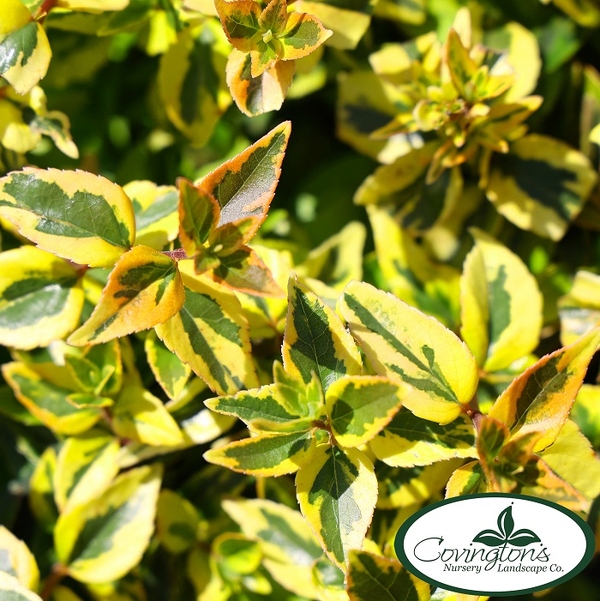
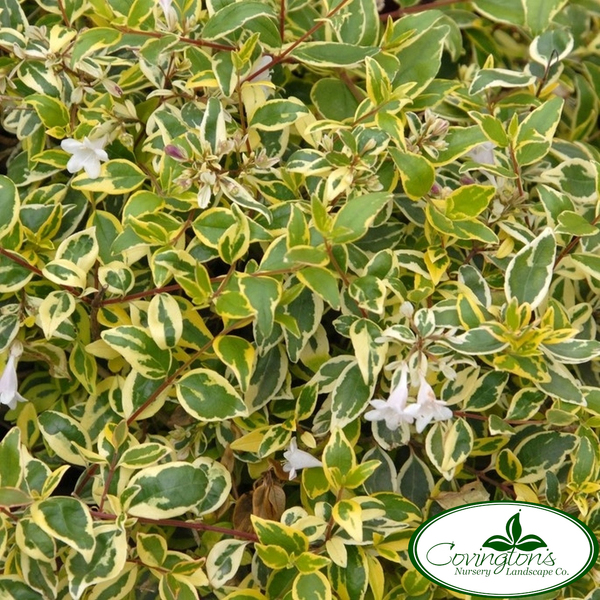
A colorful, compact shrub grown for its vividly variegated foliage, emerging bright gold and green in spring and shifting to fiery orange and red tones as temperatures cool in fall and winter. Small white, trumpet-shaped flowers appear from summer into fall, drawing butterflies and pollinators to the garden. Its low, mounding habit fits neatly into foundation plantings, borders, or mass plantings without heavy pruning. Evergreen to semi-evergreen and remarkably heat- and drought-tolerant once established, it handles North Texas summers with ease while delivering season-long color with very little upkeep.
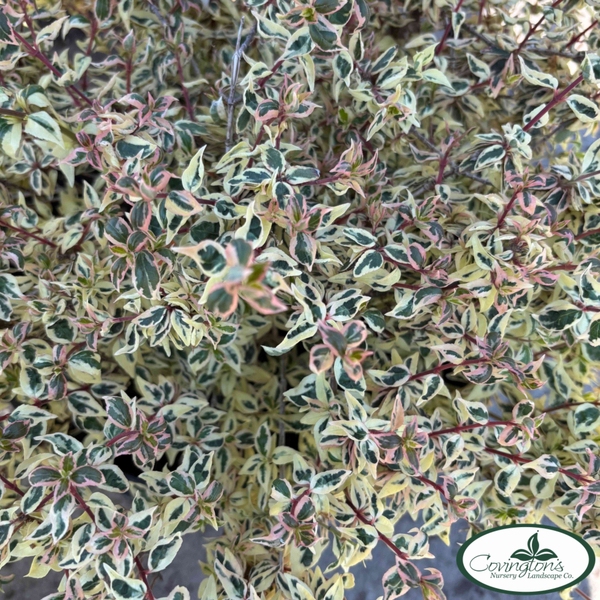
Milky Way Abelia is a graceful, semi-evergreen shrub admired for its variegated foliage featuring creamy white margins and soft green centers. Throughout summer and into fall, it produces clusters of delicate, lightly fragrant white to pale pink flowers that attract pollinators. Its arching habit adds movement and softness to the landscape, while the foliage may take on subtle bronze tones in cooler weather. Easy to grow and low-maintenance.
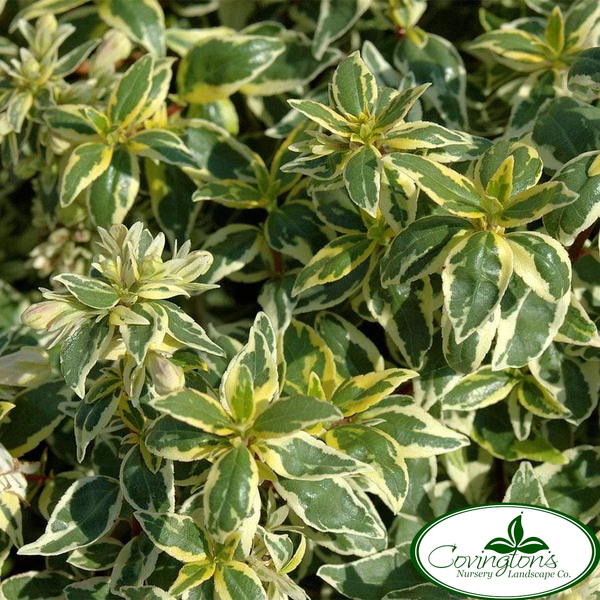
A vigorous, easy-care shrub that holds its color and tight, neat shape throughout the year. Vivid red stems add great contrast to the crisp green and soft yellow new foliage, which ages to silvery-green edged with cream. Fragrant white tubular flowers add to the show. Naturally compact – perfect as an accent, low hedge, or container feature.
Lustrous leaves with a pinkish cast develop on crimson stems, mature to dark green and transform to a wonderful combination of purple and green in winter. Showy clusters of small, fragrant, white flowers emerge from rosy pink sepals in summer. Its compact size makes an excellent foundation, container or low hedge plant. Evergreen.
The African violet is a small, flowering plant, known for its vibrant, colorful blooms and attractive, fuzzy green leaves. It thrives in indoor environments, particularly in areas with bright, indirect light. African violets are popular as houseplants due to their ability to bloom year-round with proper care, and they come in a variety of flower colors including purple, pink, white, and blue.
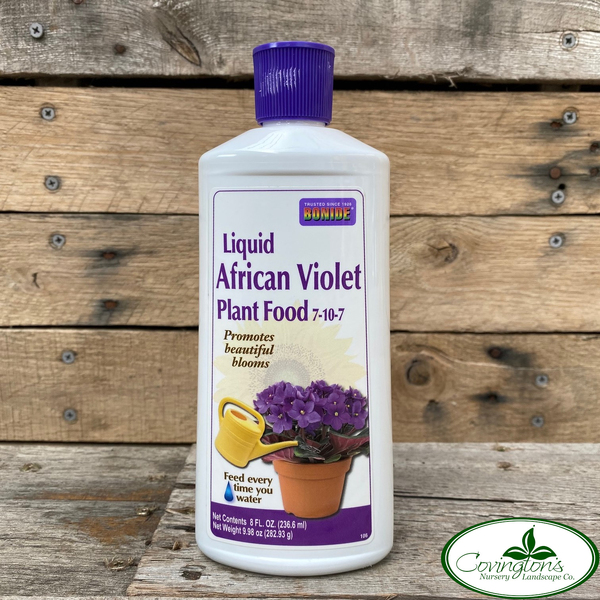
Bonide African Violet Food is specifically formulated to provide nutrients to your African violets. It promotes beautiful blooms. It’s recommended to use every time you water.
A tough, spiny-leaved Texas native shrub with striking blue-gray, holly-like foliage that stays evergreen year-round. Clusters of fragrant yellow flowers open in late winter, among the first blooms of the season, drawing pollinators before giving way to tart red berries prized for jams and jellies and readily eaten by birds and wildlife. Its dense, thorny branching makes it a natural choice for wildlife hedges or barrier plantings, while deer tend to leave it alone. Once established, Agarita is remarkably drought- and heat-tolerant, thriving in the caliche and clay soils typical of North Texas with virtually no supplemental care.
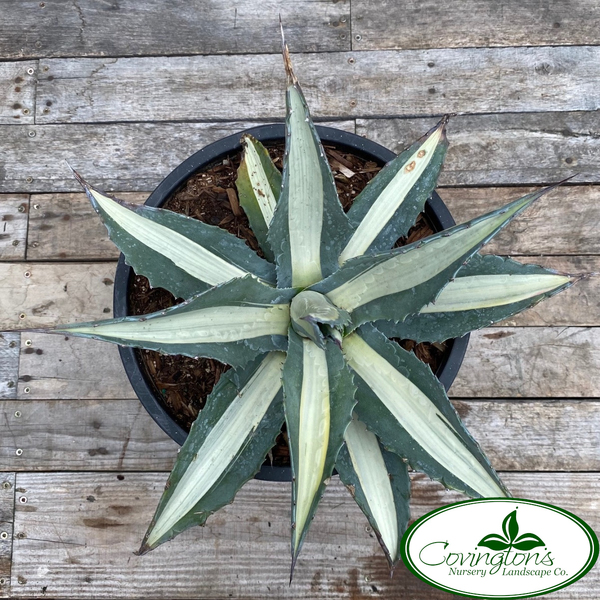
Both the size and distinctive color markings of the White-striped century plant make it suited as a focal plant in both residential gardens and commercial landscapes. This is a clumping cultivar that will produce new plants over time around its base. It dapts to full sun, heat, aridity and winter cold to 15°F. Like other agaves, once established it requires little care or attention.
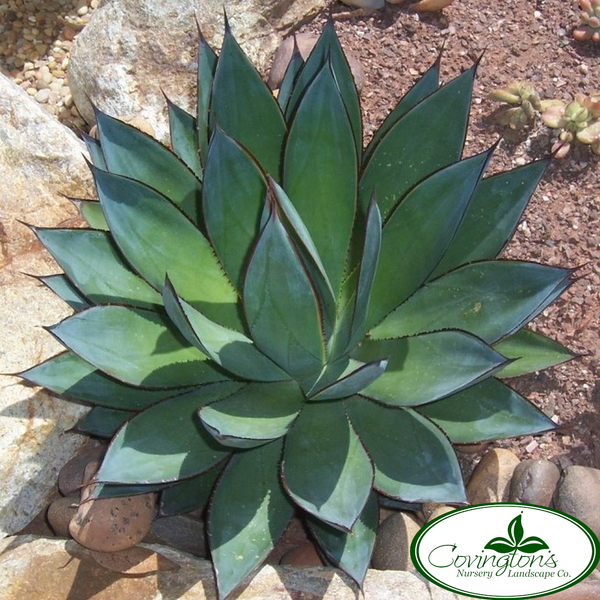
A tightly symmetrical rosette of thick, blue-gray leaves with dark terminal spines, resembling an artichoke head and forming striking clumps over time as offshoots multiply around the mother plant. Drought-tolerant once established, it’s an excellent xeriscape accent, groundcover, or barrier planting. Tolerates winters very well in DFW, but should be protected during extreme freezes.
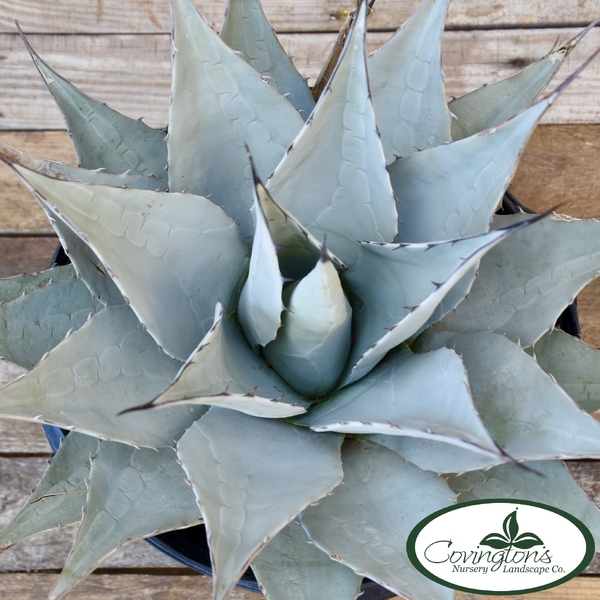
A bold, slow-growing agave with broad, silvery gray-green leaves edged in wide-spaced teeth and tipped with striking dark spines, forming a dramatic architectural rosette. As one of the most cold-hardy agave species available, it’s a great match for North Texas landscapes, standing up to our summer heat, drought, and winter lows that would damage less hardy agaves. Give it well-drained soil and full sun and it will thrive with minimal care as a xeriscape accent, rock garden centerpiece, or striking container specimen.
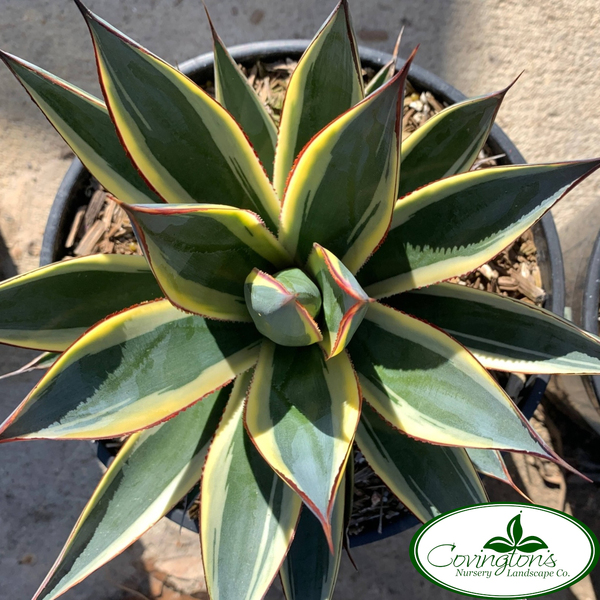
A striking, symmetrical rosette of smooth blue-green leaves edged in glowing yellow and red, with a sharp red spine tipping each leaf, a true architectural standout in any bed or container. Slow-growing and low-water once established, it thrives in sunny, well-drained spots and needs little care beyond good drainage. It tolerates typical North Texas winters well, but will need extra protection or brought indoors during severe hard freezes.
A rare, collector-worthy sport of the popular Blue Glow agave, featuring blue-gray leaves edged in creamy white and a fine red line that glows when backlit by the sun. Unlike its parent plant, it typically grows as a solitary rosette rather than producing offsets, keeping its striking form intact. Best suited to container growing in North Texas, where it can be moved indoors during hard freezes.
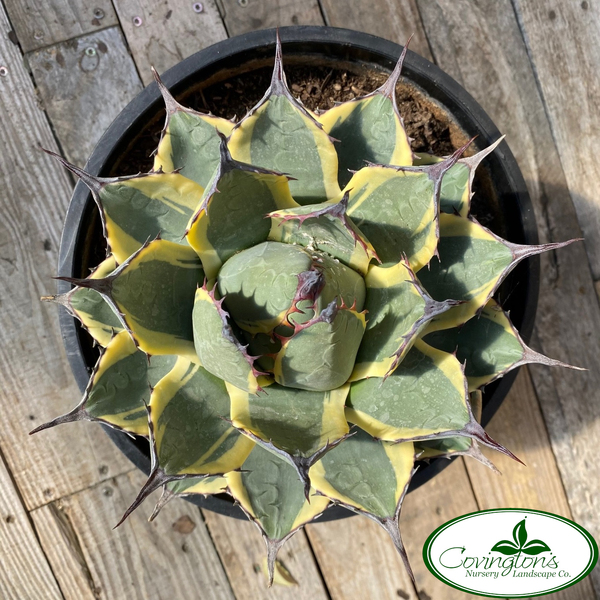
A compact, slow-growing succulent rosette with olive-green leaves edged in creamy white and tipped with dark brown spines, sometimes blushing red at the leaf base in cooler months. Its tidy, miniature size makes it a standout in containers, rock gardens, or as a textural accent among other xeric plantings, needing minimal water once established in well-drained soil. Typical winter lows in North Texas are too cold to not sustain damage, so it’s best sited in a protected spot or brought into a container for hard freezes.
Forms a tight rosette of fleshy, broad and cupped, silvery-gray leaves. Native to the Davis Mountains of west Texas, it has proven itself to be very cold-hardy.
Cold tolerant smaller Agave with gray-green leaves in a rosette pattern with dark burgundy spines. New plants are produced from the base of the plant. Will bloom once established for many years.
Orca Whale’s Tongue Agave is a bold, architectural succulent prized for its broad, cupped blue-gray leaves edged with creamy yellow variegation. The dramatic contrast gives it a striking “orca” appearance, making it a standout focal point in xeriscapes and modern landscapes. Its large, sculptural rosette form adds year-round structure and visual impact. Extremely drought-tolerant once established, this low-maintenance agave thrives in well-drained soil and sunny locations, making it an excellent choice for water-wise gardens and containers.